Entries Tagged 'layout' ↓
June 28th, 2012 — budget, cabinets, design, layout
https://www.northstarfireprotection.com/Services/Kitchen-HoodsFirst considerations
How will the kitchen be used and by whom. What are the clients particular requirements, if any. While considering these requirements, remember that the basic layout of the kitchen may last considerably longer than the present occupiers of the house and, therefore, should not be so idiosyncratic as to devalue the property. Other aspects, such as HVAC, flooring and insulation should also be on a top-tier level.
Questions to be asked
- How many people will the kitchen serve.
- Will all meals be served and eaten within, or adjoining the kitchen
- Or should there be a ‘breakfast bar’ in the kitchen with a more extensive dining area nearby.
- Is the person, who does most of the kitchen, tidy and able to work in a relatively compact area, or would they prefer a more generous layout.
- Do the clients have a once-a-month massive shop, and therefore require a large area of food storage, or even a separate larder.
- Or do they live conveniently near shops and buy food frequently, and can therefore manage with a relatively small area of food storage.
For instance, although it is common knowledge that kitchens are frequently ripped out and revamped, the general disposition of the entrance door from Bi Folding Doors Near Me, main window with extra protection. You might know The difference between composite and upvc doors as you should be researched before you buy position of sink and cooker if needing a flue, will largely condition future layouts unless substantial re-building is undertaken. No matter the type of kitchen you have at home or in your business, take the time to schedule a service from commercial kitchen hood cleaners.
April 9th, 2012 — cabinets, compact, kitchen, layout, planning
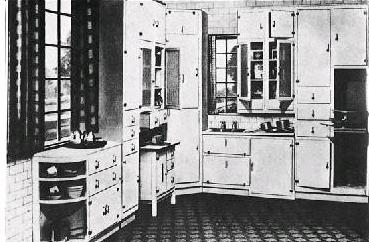
In the late 1920s and early 1930s, furniture manufacturers found a ready market for kitchen cabinets. This
1 Stop Cabinets blog tells you more about how you can repair dings or small scratches on kitchen cabinets.
These were designed to hold almost everything the cook needed, complete with flour bins, egg racks and extending tables. They also often had vented compartments as refrigerators were still uncommon. Visit
custom timber furniture Melbourne to choose your favorite furniture.
From 1932–34 in the USA, General Electric and Westinghouse opened cooking institutions. Engineers, chemists, architects,  nutritionists and professional cooks studied all aspects of the kitchen. The work process was scientifically investigated, and the way was opened for the modern streamlined kitchen. Today, you can find beautiful, innovative kitchens all over the world. The
architects Melbourne can design your dream kitchen.
 Continue reading →
March 12th, 2012 — cabinets, design, kitchen, layout
Early twentieth century
During the early part of the twentieth century up until the outbreak of World War I, kitchen design progressed very little.
Then the supply of female servants dwindled dramatically as many found work in factories, which many women preferred as it brought in more money and gave them greater independence. So, gradually, the middle classes had to start managing without so much help. New gadgets and equipment were invented and the old cast iron ranges were replaced with gas or electric cookers, you can also get more information about catering equipment at site like https://www.air-duct-cleaning.co.uk/catering-equipment/. In the 1930s, the well-insulated solid fuel Aga and Esse cookers were developed, and were often adopted where mains gas was not available. Discover More at Discount Water Filters for your kitchen here.

First AGA cooker patented in Sweden by the inventor Gustav Daln in 1922.
Continue reading →
February 14th, 2012 — cabinets, design, layout
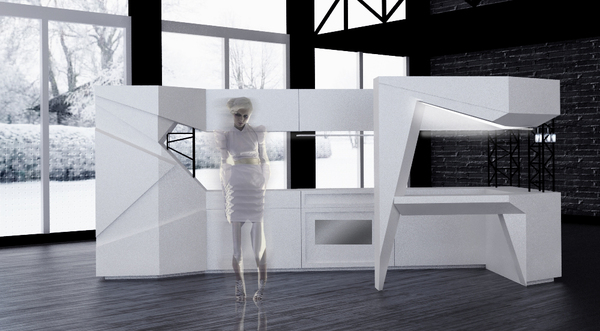
When you think kitchen, you think base cabinets and upper cabinets, set nicely against a wall. While it’s by far the most common – and the most practical too – how else you could configure a kitchen? Well, let’s put it into the middle of a larger space.  The Origami-Mi Kitchen  incorporate three, two or one spatial dividers, all dedicated to create an area ideal for cooking.
The basis of kitchen unit is a frame made of metal tube on which are mounted boxes. The frame allows the kitchen units exist independently from the wall. For the production of fronts the manufacturer uses sandwich panels. The boxes (or drawers…) open by an electric “servo-drive”, you just lightly press the front and even a fully loaded drawer will open.
 Continue reading →
January 6th, 2012 — design, hoods, kitchen, layout, planning
The Victorians still thought it desirable to keep the kitchen, with its attendant smells, well away from the gentry end of the house. In grand homes which may have utilized services like https://planetroof.com, kitchens were positioned in the centre of the servants’ wing, surrounded by the smaller rooms of the scullery, larder and pantry with separate stores for game, fish, ice and coal. These would be adjacent to the servants’ hall with separate rooms for the cook, butler and housekeeper
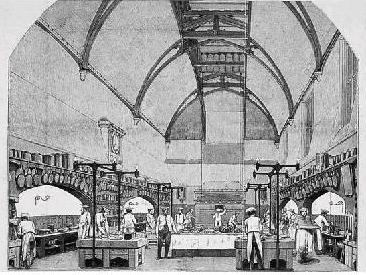
The importance of the house could be judged by the number of chefs presiding over numerous kitchen maids. Kitchens were full of cooking devices such as roasting ranges, stewing and boiling stoves, turnspits and hot cupboards. However, there were no mechanised devices for washing, ventilation or refrigeration. Water was pumped by hand into scullery sinks and food was kept cool in an ice box with ice brought in from an ice house outside. Most food was still kept in north facing larders with natural ventilation.
The big change in kitchen design came about due to the social implications of the industrial revolution and the development of mechanisation. Continue reading →
June 6th, 2011 — budget, cabinets, color, design, kitchen, layout, lighting
This gorgeous high quality log cabins Isle Of Wight kitchen wasn’t always this stylish and functional. With no room to cook, cramped counter space, its owners knew they needed to renovate the kitchen of their 1935 cottage in upstate New York.
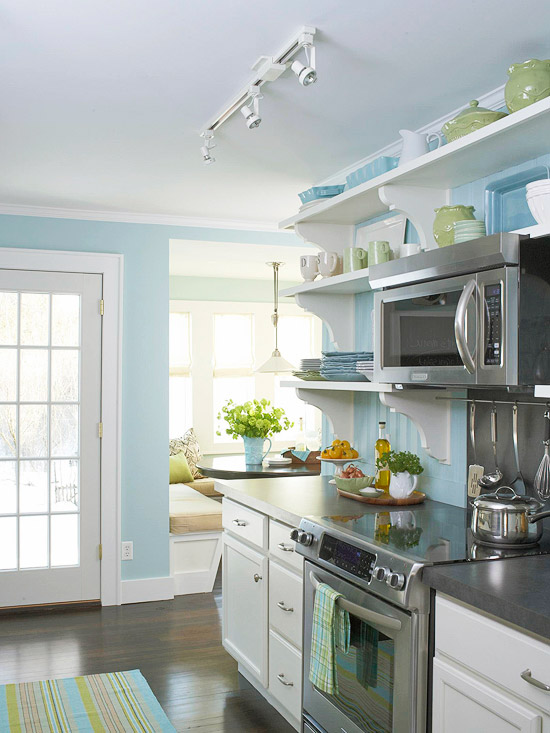
So where did they start? From scratch! Since any upgrades would be a waste of money unless the quite bad layout was replanned, they began discussing the kitchen layout and the water systems for which the Plumbing Projects in Dallas TX have great inspiration.
The first step was to alter the floor plan in the 8×10-foot galley kitchen to add the space they needed. The second step was to discuss residential and commercial plumbing repair and installation with experts such as a Professional Plumbing Las Vegas company. Since there was plenty of plumbing work done, and we wanted to make sure we didn’t let our guard down so soon after completing this project, we have the contact information of an emergency plumbing service we can call. If we notice anything unusual our plan is to call them and schedule an appointment if they think that might be best. In case of water problems, visit sites like https://diamondh2o.com/residential-water-treatment/linq-systems/ to solve you water issues.
In addition, it is important for the health and safety of the families or any people using the water system that appropriate control measures are in place to prevent legionella bacteria growth in the water systems. Ensuring that the plumbing systems are regularly checked for potentially risky areas and anything else that might be a health and safety issue is important. Conducting a Cooling Tower Legionella Testing is necessary for the safety of the residents.
Continue reading →
May 28th, 2008 — budget, cabinets, design, kitchen, kitchen island, layout, remodeling
Now that my kitchen is ready for its perfect make over from the kitchen renovation specialists in Auckland, it’s time to share a few things I’ve learned along the way… So, let’s see what I’ve heard from professionals as well as what are the things I’ve learned the hard way….
1. I can add that easily later, no problem.
Sure, but only if you leave space for that microwave, built-in coffee machine or whatever. Now there’s an issue: there will be a gaping void in your kitchen until you add the new piece of commercial kitchen equipment. Sure, you can buy an extra cabinet door to cover it… But don’t forget, temporary solutions tend to become final ones – and as long as temporary things go, they are not the best. So look out.
Designers say its best to add features to your new kitchen during, not after, renovation (or building). Even if youre not sure whether youll use a something, prepare for its future installation by running cable and electrical lines. For example, one day, you, your growing kids, or a future homeowner may want a flat-screen television or a home-monitoring screen in the kitchen. Or, you may someday need more outlets on your counters and island. Be sure to have the right cables for electricity – that new washing machine or electric oven needs beefier cables than a hand-mixer.. Make sure as well to get the proper equipment and tools ready before having any renovation. For example, if you are going to deal with woodworks, make sure to get Lenox bandsaw blades.
2. I won’t have any clutter in my new kitchen.
Yes, sure, you don’t need that extra storage, do you? I bet you do! I’m always short of storage and I bet you’re the same, except for that guy living in a warehouse. Sure, it’s not always good to have lots of stuff in a crowded pantry (and the things on the bottom of the heap won’t be used up ever) but always plan for more storage than you think you’ll need. There are 5 gallon food safe buckets you can buy to store food and non-food items neatly. You’ll be thankful to yourself at the end.
Sure, storage units are not the best-looking of the kitchen-furniture herd, but you need a balance between function and style. (or that warehouse…)
Replacing your air conditioning capacitor could come at a high cost, but contact a professional HVAC company to test your AC unit before proceeding with repairs or replacement. Proper AC service can determine the capacitor cost for ac and the root of the issue before any other steps are taken.
3. Bigger is always better.
So the bigger the better, you think. If you just got that greeeeeat big kitchen, prepare for one thing: first you’ll be tired, next you’ll be fit. Because of all that walking, that is.
My designer friend with the help of KVN Construction, says this is a typical mistake that homeowners have to live with for a long time, since kitchen renovations are done only once every 10 years or so. The solution, some say, is to install two sets of kitchen appliances, essentially having two work triangles into the kitchen area. But you still have to walk…
Are you considering a kitchen remodel? Whether you’re looking to update the appliances, add new countertops, or reconfigure the layout, professional kitchen remodelers can help breathe new life into your space. They’ll work with you to assess your needs and develop a plan that meets both your functional and aesthetic goals.
4. Yes, it will fit. I need it, you know.
New flat, new kitchen. Finally, you can put all your dreams into it. All the things you’ve seen in magazines, that gorgeous island, that fine range and all bells and whistles. And if everyone in the city thought the same way, the idea of realising resilient cities can finally come to a success.
As per the affordable home repair and improvement services in Houston, don’t try to do whats popular without any thought to whether it would work or not in the space… As opposed to the issues of a great spaces, there are issues with smaller ones as well – you need good organisation and keep an eye on not overstuffing it.
Sorry, you cannot always have an island or that great L-shaped worktop. In smaller spaces it’s better to put in quality – in cabinets, appliances, design – you’ll especially appreciate a good designer helping you think through all aspects on how you best utilise the space you got.
5. I want that kitchen from the magazine
Its tempting to follow the latest trends, but it’s better to be practical. Do you need that hi-gloss finish with your small kids? (how will it look like in a month’s time?) Will you still love antique cabinets in 10 years? Will that funny red-yellow kitchen featured in the magazine really work in your house?
Always try to keep things – colors, materials, moods – in sync throughout your home – it feels so much better when you arrive. Don’t get carried away and plan before you do anything – remember, changing anything later will definitely cost more.
So, if your current kitchen doesn’t fit your lifestyle, I suggest you learn about Phoenix Home Remodeling – Bathroom & Kitchen Remodels today. A kitchen remodel can make it the kitchen of your dreams.
November 8th, 2007 — design, kitchen, layout, steel
Ok, usually when you think kitchen, you instantly visualize something like this: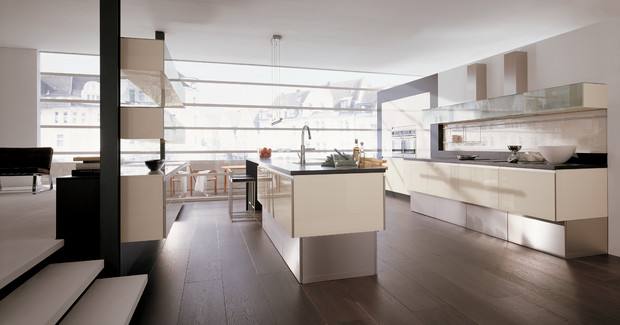
You know, it should be big enough, with an island or two, all the cupboards you need, task- accent- and food-tracing lighting, all that glitz and useful mechanics… You think great stone or walnut floor, big-big windows and ample workspace. Space to entertain, to cook, to store, whatnot. Investing in your home? New windows offer significant benefits like improved energy efficiency and enhanced aesthetics, crucial for Houston living. Ready to enhance your home? Let’s talk houston tx window replacement today. Our local team is ready to assist with quality options.
As you’re planning your dream kitchen, don’t forget about upgrading your windows too. New windows can improve the energy efficiency of your kitchen while also enhancing its style and functionality. If you’re ready to get started on your kitchen renovation, fill out this contact form and check out your options for window replacement and other upgrades.
But what happens when you have constrains? I mean real ones, not when you cannot fit in two islands, only one. Like in a ship? (no, not the QE2, you won’t be cooking there unless you’re their chef.) Let’s see:
Continue reading →
August 15th, 2007 — cabinets, design, kitchen, kitchen island, layout, remodeling
These kitchen island pictures present many different styles and ideas for islands that will help you create the perfect kitchen island for your layout. You’ll see a variety of materials used for cabinetry and countertop surfaces, including stainless, granite, marble and wood, that help tie the design with function. For more information check out https://homerepairninja.com/granite-vs-quartz/. The many features of kitchen islands are also shown, including wine storage that can store your large wine collection, storage cabinets, sinks, cooktops, eating areas and cooking areas. If you need the best renovations of your kitchen, you can check out New Look Kitchen & Bathroom Renovations. Work with home remodeling contractors if you decide to upgrade your kitchen and replace your kitchen island.
Continue reading →
August 13th, 2007 — cabinets, dishwasher, kitchen, layout, planning, remodeling
Kitchens that are larger, open and multi-functional are here to stay according to industry experts. A generation ago, the kitchen was the room where mom cooked meals alone. Now it’s the “centre of the home,†filled with family and friends.
Instead of pricey fads like glass countertops and large-sized microwaves, look at these few kitchen design ideas for your next kitchen remodeling project that will be worth the time and money. You might also want to consider looking at White Quartz for sale for your countertops to have an elegant kitchen feels.
A quick prep area with a small sink, cutting board and microwave or a larger sink in the island helps with gourmet cooking. Mixed and matched cabinet finishes, exotic woods, jewelry-like hardware and display areas that show off glass collections give the kitchen an eclectic look. Wrap-around desks that extend into the family room provide more space. Cabinet storage for pull-down spice racks and buffet storage for beverage centers make the kitchen run more efficiently. And that’s a goal worth investing in.
Continue reading →


